Abstract
The PDF/X-4 format is now just over five years old – it was initially published as an ISO standard, under ISO15930–7, in 2010. At that time, it was a significant update to the original PDF/X-1 ISO standard (15930–1) because it was based on an updated version of the Adobe Portable Document Format (PDF) Library, v1.6, and therefore supported a richer feature set. These features include native support of transparency in artwork, ICC-based color management, optional content (layers), as well as support for 16 bit image workflows. This paper seeks to determine the relative support and ‘uptake’ of the file format in printing and publishing workflows today.
Originally developed to meet the requirements of the publishing industry for digital advertising materials, PDF/X-1 was designed to be a file format capable of achieving the predictability and quality of analog film content carriers. Configured to be exchanged ‘blindly’ between parties, it was envisioned that content creators and file receivers would not need to discuss file formats, software versions, and final printing conditions, or to make support art and fonts available separately, prior to outputting the file. This accurate and predictable method of digitally exchanging print based final files also offered benefits for other graphic workflows, including commercial, catalog, and flyer.
Generally considered to be a success for the publishing and printing industries, PDF/X-1-a continues to be incorporated today into page layout applications, preflight tools, as well as numerous publishing ‘ad portals’ (used for the successful delivery of magazine ad materials).
Also important for PDF/X-4 in 2010, print based workflow systems were seeing the shift from those that were primarily built around Adobe’s Configurable PostScript Interpreter (CPSI), towards ‘native’ PDF renderers. These workflows do not convert content to PostScript, with the subsequent flattening issues.
At the time PostScript, a Page Description Language (PDL) developed by Adobe in the mid 1980’s, had evolved into the leading imaging model used to render graphics in printing and publishing. Ostensibly device independent, in practice PostScript files were generally created for specific workflows and output devices, one limitation as a blind exchange format. As well, the PostScript imaging model is opaque, and therefore any transparent objects, such as drop shadows, must be flattened before final output.
This flattening of art can lead to numerous reproduction issues, including incorrect colorspace conversions, incorrect output resolution, and concerns about artifacts in final output. As well, flattening also impacts late stage edits, and the ability to effectively repurpose the final PDF files (text which has been flattened can’t easily be extracted or searched on).
Global Graphics had supported native PDF workflows since 2002, with their ‘Eclipse Release’ of their popular Harlequin Raster Image Processor (RIP). Adobe introduced their native PDF ‘Print Engine’ in 2006. Understandably it can take Original Equipment Manufacturers (OEMs) time to incorporate newer technologies into their products, as well, their Clients may not immediately upgrade to the latest version, and educate their staff on the new capabilities. Subsequently it is reasonable to anticipate that there was a delay, or lag, in the uptake of these new technologies.
This practical research paper encompasses three different aspects. The first is to configure a modern workflow system, Kodak Unified Workflow Solutions Prinergy v7, using the current version of the Adobe PDF Print Engine, in a controlled environment and verify the relative support for PDF/X-4 files. This was initially accomplished using the current version (v4) of the Ghent Workgroup Output Suite (GWG 2015).
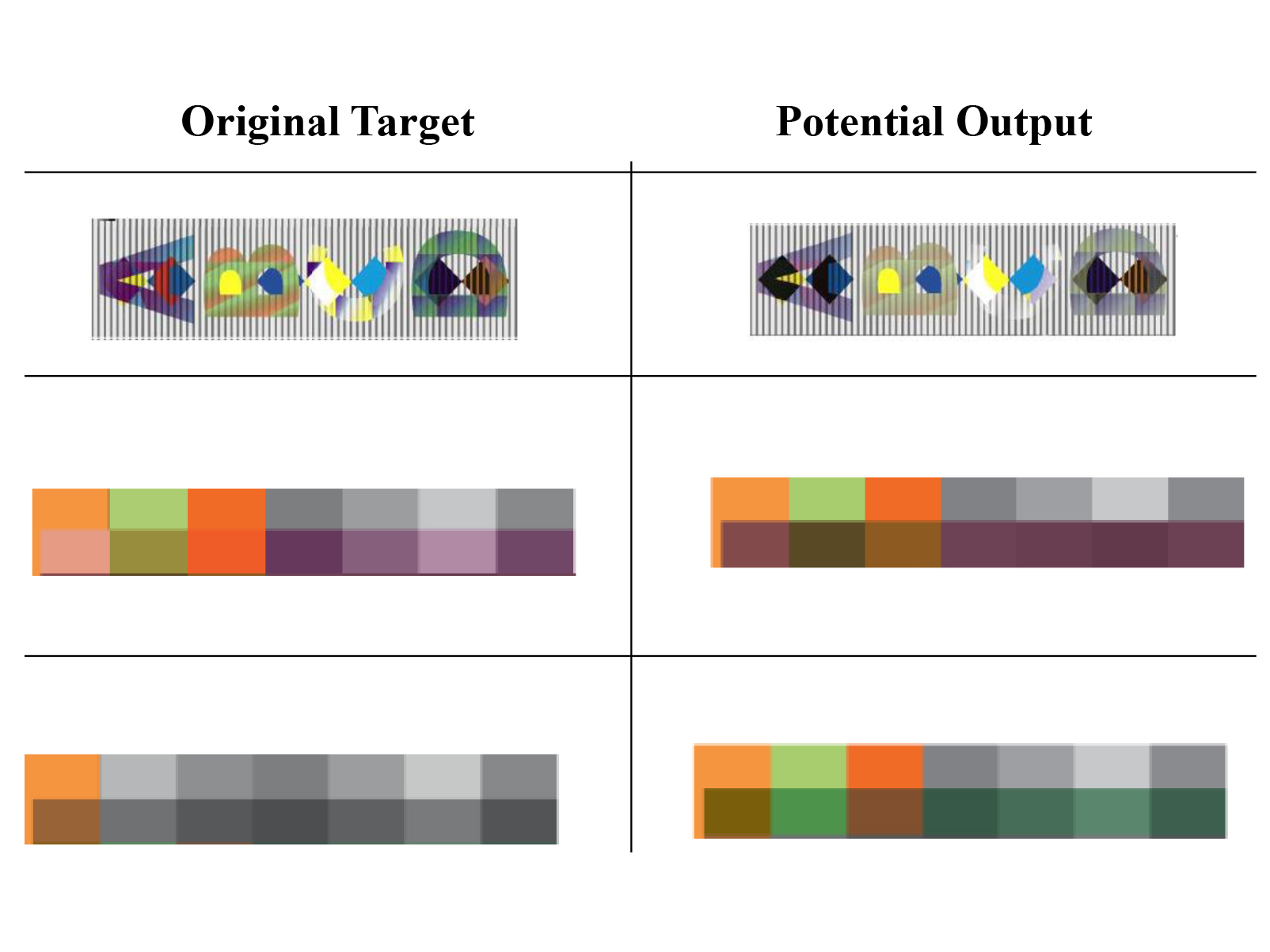
The second aspect involved the creation of a simulated (mock-up) consumer package good (CPG) file, using Adobe InDesign Creative Suite v6, to export as a benchmark ‘real world’ PDF/X-4 file. The design uses a combination of color spaces, transparency-blending modes, and relevant optional content layers. It is used to further demonstrate and verify processing through the configured workflow system.
The third part of the paper discusses perspectives on the relative uptake of the PDF/X-4 format in common industry workflows. Interviews and discussions with industry practitioners, as well as preliminary survey results from a Magazines Canada survey concerning X-4, are used to create a snapshot picture of the use of PDF/X-4 files in the North American commercial, packaging and publishing sectors.
These discussions seek to identify and clarify if and how PDF/X-4 is being used to leverage the benefits initially proposed; how it addresses transparency flattening issues and any related reproduction concerns and color managed RGB workflows. As well it identifies opportunities where final X-4 files are being used as the ‘record of truth’, and being leveraged for cross media workflows. In addition it explores the adoption and use of optional content layers in X-4 files in workflows.
For example, in the publishing industry, the Idealliance’s Specification for Web Offset Publications (SWOP) Working Group recently formed an initiative to encourage the adoption of PDF/X-4 in the advertising and publishing industries. Referred to as PDF/X+ (‘plus’) format, it uses PDF/X-4 as a base, however with caveats that the file needs to use CMYK image data, and that it cannot include optional content layers. Effectively it gives the benefits of native transparency, without the downstream responsibility of RGB conversions, or the possible confusion of layered content.
Alternatively, the Ghent Workgroup is also working on an initiative to foster the further use of the PDF/X-4 specification, in this case for packaging industries. This addition to the specification would need to address packaging specific issues, which include non-CMYK colors (spots, white ink, double ‘hits’ of colorant…). As well it seeks to develop a common mechanism (naming and use convention) for identifying content, and assigning it to specified layers. This would be necessary to automate successfully sharing, and acting on, layered content by PDF readers throughout the workflow.
This paper is important for different areas of the graphic communications industry. It offers guidelines and recommendations for the successful use of PDF/X-4; as well it identifies and discusses aspects of the PDF/X-4 specification that may need further refinement and clarification in order to increase adoption of the format.